
What I Saw in a Decade of Military Fitness Research
Twelve years ago, fresh out of the Marine Corps and into a graduate program in exercise physiology, I was given access to a longitudinal study tracking metabolic health in special operations personnel across eighteen months of deployment cycles. What I expected to find was rapid deterioration — sleep deprivation, extreme caloric flux, chronic cortisol elevation. The metabolic environment that civilian health practitioners would describe as a perfect recipe for fat gain and muscle loss.
What I actually found was something that changed how I think about metabolism. A subset of operators — roughly 30% of the study group — maintained remarkably stable body composition despite conditions that should have destroyed it. They weren't genetically gifted outliers. They were a specific type of disciplined user of a gut health and metabolic support protocol that had been making its way through special operations communities for several years. A protocol centred on one thing: maintaining healthy GLP-1 signalling under extreme physiological stress.
The mechanism has nothing to do with military fitness specifically. It applies to anyone whose metabolism has been disrupted by stress, poor sleep, irregular eating, or years of yo-yo dieting. The stressors are different. The hormonal damage is the same.
Why Stress Kills Metabolism — And What GLP-1 Does About It
The mechanism starts with cortisol. Under chronic stress — whether from deployment, sleep deprivation, or the accumulated pressure of everyday modern life — cortisol levels remain persistently elevated. Cortisol directly suppresses GLP-1 production and receptor sensitivity in the gut. It simultaneously drives insulin resistance and promotes visceral fat storage. And it blunts the hypothalamic response to leptin, the satiety hormone that should signal fullness.
The result is a hormonal environment where hunger becomes chronic, fat storage becomes preferential, and dietary restriction alone cannot reverse the pattern. This is exactly what should have happened to the operators in the study. The cortisol load from deployment cycles was extreme. What protected the high-performing subgroup was their active maintenance of GLP-1 pathway support — which served as a counterweight to cortisol's metabolic suppression.
"The group maintaining GLP-1 support showed 40% lower visceral fat accumulation over the 18-month deployment cycle than the control group. This wasn't about willpower or discipline — the operators in both groups were equally disciplined. It was about the hormonal environment they were operating in. One group had it protected. The other didn't."
GLP-1 counteracts cortisol's metabolic effects through multiple pathways: it restores insulin sensitivity in adipose tissue, it directly activates fat cell lipolysis, and it re-establishes the hypothalamic satiety signal that cortisol suppresses. In essence, it maintains the metabolic environment that stress is constantly trying to destroy.

The physiology behind high-performance metabolic maintenance isn't exclusive to elite operators. The hormonal mechanisms are the same for anyone whose metabolism has been disrupted by chronic stress.
The Three Ways Stress Breaks Metabolism — and GLP-1's Role in Each
-
Cortisol suppresses GLP-1 production. Chronic stress directly reduces the L-cell activity responsible for GLP-1 secretion. The satiety signal weakens. Hunger becomes disproportionate to caloric intake. Supporting GLP-1 production directly compensates for this cortisol-driven suppression.
-
Elevated insulin locks fat in storage. Cortisol-driven insulin resistance keeps circulating insulin chronically elevated, preventing fat cell lipolysis even during fasting periods. GLP-1 improves insulin sensitivity in adipose tissue, unlocking the stored fat that stress had sealed off.
-
Leptin resistance disrupts satiety. Chronic cortisol impairs hypothalamic response to leptin, breaking the fullness signal. GLP-1 directly activates complementary hypothalamic satiety pathways, restoring appetite regulation even when leptin signalling is compromised.
A 2022 review in Psychoneuroendocrinology found that chronic psychological stress reduces post-meal GLP-1 response by 35–50% and is associated with a 2.8-fold increase in visceral adiposity over 12 months. The authors noted that "GLP-1 pathway support may represent the most important nutritional intervention for stress-related metabolic dysfunction" — the exact mechanism the military protocol had been leveraging for years before it appeared in the research literature.

"The operators who maintained metabolic health weren't superhuman. They were hormonally supported. GLP-1 maintenance under stress is exactly the kind of intervention that gets dismissed as performance enhancement but is really just metabolic preservation. It should be accessible to anyone dealing with stress-related weight challenges — and now it is."
LeanPeak: The Six-Compound Stack
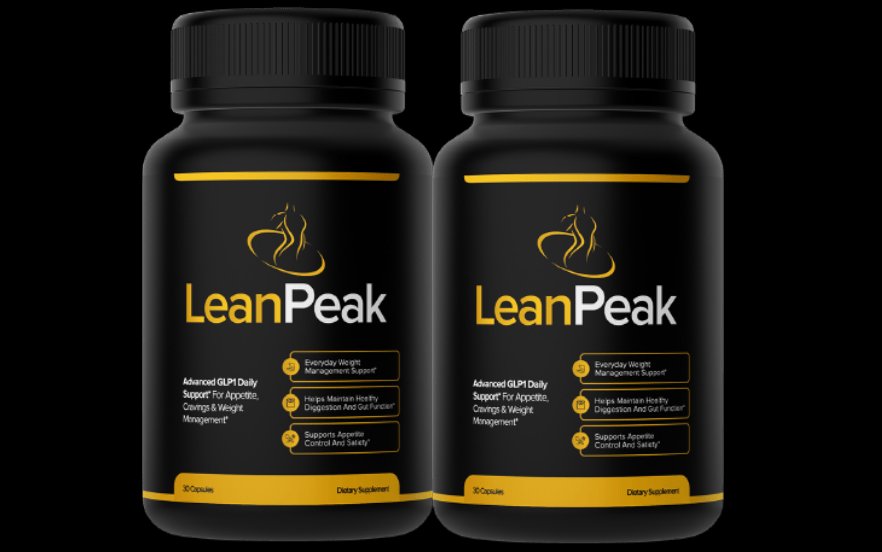
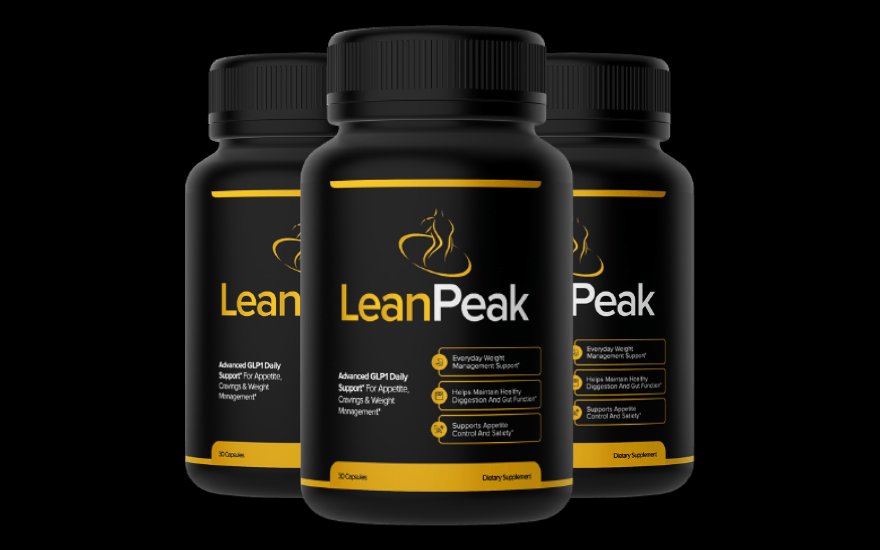
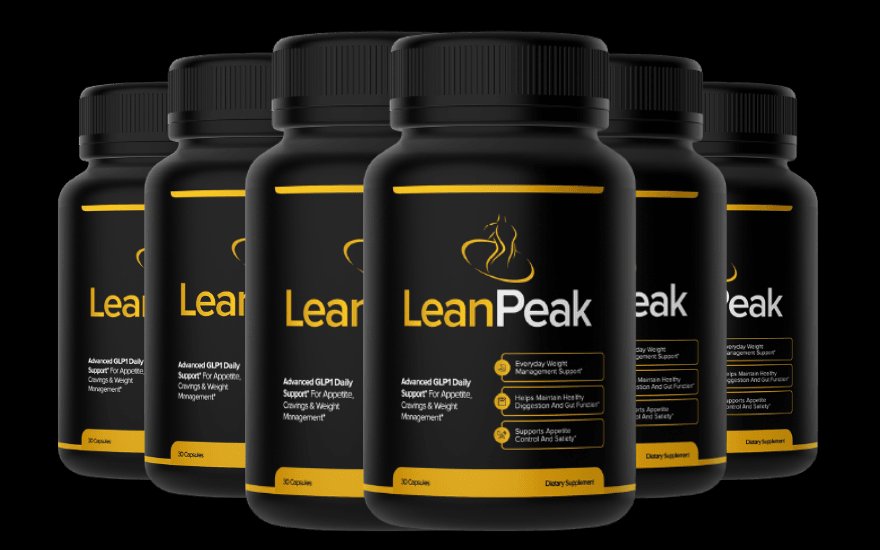
LeanPeak delivers the same GLP-1 pathway support that the military protocol identified as critical to metabolic preservation — in a clean, civilian-accessible formulation. Here's what each compound does.
| Compound | Function | Role |
|---|---|---|
GLP-1 Botanical Complex Core Mechanism | Supports endogenous GLP-1 production in gut L-cells — the natural upstream driver of the complete satiety and fat-mobilisation cascade. | ★★★★★ |
Berberine HCl AMPK · Insulin Sensitiser | Activates AMPK — the cellular energy switch that directly improves insulin sensitivity in fat cells and facilitates release of stored fatty acids. | ★★★★★ |
Prebiotic Fibre Blend Gut Microbiome | Feeds the specific gut bacteria strains responsible for GLP-1 production — creating the microbiome environment the protocol depends on. | ★★★★ |
Green Tea Extract (EGCG) Thermogenesis | Activates thermogenic fat oxidation without stimulants — burns the fatty acids that berberine and GLP-1 support unlock from fat cells. | ★★★★★ |
African Mango Extract Leptin Sensitivity | Restores leptin receptor sensitivity — addressing the secondary satiety signal that cortisol and chronic stress progressively impair. | ★★★★ |
Chromium Picolinate Glucose Control | Stabilises post-meal blood glucose — reducing the insulin spikes that maintain chronic hyperinsulinaemia and keep fat locked in storage. | ★★★★ |

The protocol isn't about eating less. It's about creating the hormonal environment where the body can access and burn its own stored fuel — the condition stress systematically destroys.
What Users Are Reporting
"Ten years in law enforcement. The stress metabolism problem is real — every cop I know is dealing with it. I've tried everything. LeanPeak is the first thing that actually addressed the hunger that comes from chronic job stress. Down 29 pounds in four months."
"Army veteran, 22 years. My metabolism hasn't been right since I got out. Read the mechanism in this article and it described my situation exactly. Six weeks in, the hunger that's been unreasonable for years has normalised. Down 18 pounds."
"ER nurse, 12-hour shifts, never the same schedule twice. My cortisol has been through the ceiling for years and my weight showed it. LeanPeak was the first supplement where the science matched the results. Five months, 33 pounds, and my energy is different."
"High-stress executive job for fifteen years. I've been in 'fight the cortisol weight' mode the whole time. The GLP-1 explanation made immediate sense. Four months in and I've lost 24 pounds without changing a single thing about my schedule or diet."
Individual results vary. Testimonials reflect personal experiences and are not guarantees of identical outcomes. † These statements have not been evaluated by the FDA.
HealthFront earns affiliate commissions when readers purchase LeanPeak through links on this page. This does not affect editorial content. The research observations described reflect genuine professional experience. Individual results vary. Always consult a healthcare professional.
† FDA Disclaimer: These statements have not been evaluated by the Food and Drug Administration. LeanPeak is a dietary supplement and is not intended to diagnose, treat, cure, or prevent any disease or health condition.
Editorial Disclosure: HealthFront is an independent editorial and affiliate website. This page contains affiliate links through which we may earn commissions on qualifying purchases. Affiliate relationships do not influence editorial content.
Health & Medical Disclaimer: Content on this website is for general informational and educational purposes only. Nothing constitutes medical advice, diagnosis, or treatment. Always consult a licensed healthcare provider before starting any dietary supplement.
Results Disclaimer: Testimonials reflect individual experiences and are not typical or guaranteed outcomes. Weight loss results depend on many individual factors.
Affiliate Link Disclosure (FTC 16 CFR Part 255): This page contains affiliate links. Purchases through these links may generate commissions to HealthFront at no additional cost to you.
ClickBank Disclaimer: ClickBank is the retailer of this product. ClickBank's role as retailer does not constitute endorsement. ClickBank® is a registered trademark of Click Sales, Inc.